
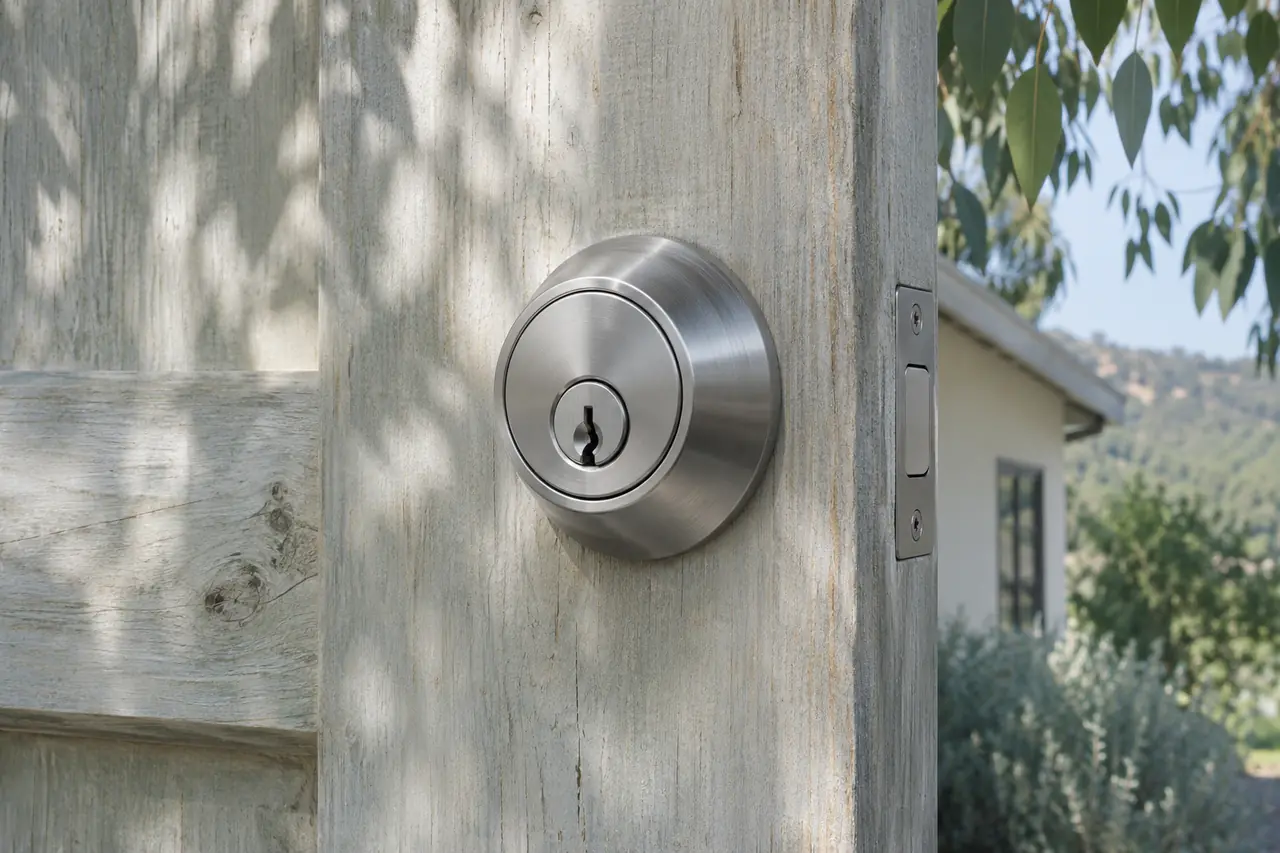
Home lock work doesn't have to begin with a lockout. A key may have become stiff, a handle may feel loose, or you may simply want the old keys to stop working. LockReach helps with residential locksmith requests in Lakeside, CA, starting with the result you need from each door.
Look at the whole entrance
A lock works with the door and its frame. If the key moves freely while the door is open but struggles when it is shut, the fit may need attention. Replacing a cylinder alone may leave that problem behind. Describe what changes when you lift, pull or close the door normally.
Avoid building a new routine around a failing lock. Repeatedly forcing a key can turn an awkward entrance into a broken-key job. Keep a working spare available if you have one, and explain whether it behaves the same way.
Keep the hardware when it suits the job
Rekeying changes which key works in a suitable cylinder. It can be useful after a move or a change in who should have access. The handles and lock can sometimes stay. Worn parts, a different key system or a change in how the door should work may call for replacement instead.
Count the keyed locks as well as the doors. A knob and a deadbolt can be two separate cylinders. Some side entrances use another key. Matching several locks to one key depends on compatibility, not simply on their finish or brand name.
Choose for the people using it
A keypad may help a household that shares access, but its codes, batteries and backup key still need a plan. Consider whether the door is sheltered and how each person uses the handle. Check model requirements before buying hardware.
For rented homes and shared entrances, settle permission with the owner or manager first. The lock on your own space and the main entrance to a property may have different decision-makers.
A new lock should suit the existing door
Before buying a replacement, note whether the current hardware is a separate deadbolt, a locking handle or a joined handle set. The door thickness, existing openings and space around the frame can affect the choice. A photograph can help a conversation if requested, but measurements and condition may still need checking at the property.
Choose the function before the finish. Think about who needs a key, who uses a code and how someone gets in if an electronic lock loses power. If the old hardware has always needed a hard pull to lock, include that history rather than assuming a new keypad will correct the fit.
Try the keys you actually plan to carry
After the agreed work, use each supplied key in the affected locks with the door in its normal position. Check which locks share a key and which remain separate. Keep a spare somewhere accessible to an authorized person, without attaching an address to it.
What still works?
Keep the key, the door and any controls in view as separate observations. The details help establish the work you need.
A useful question
Can all my doors use one key?
Sometimes. The cylinders and keyways need to be compatible. A look at the existing locks helps establish whether rekeying, replacement or keeping separate keys makes sense.
Does changing a keypad code change the backup key?
Usually these are separate forms of access. Check the particular model and include both in the work you discuss.