
The first symptom can be simple: the door stopped. The proposed repair needs more detail. LockReach recommends discussing which condition has been assessed, which parts are included and how the agreed result will be checked, without assuming every door fault belongs to the opener.
Ask which part of the system is affected
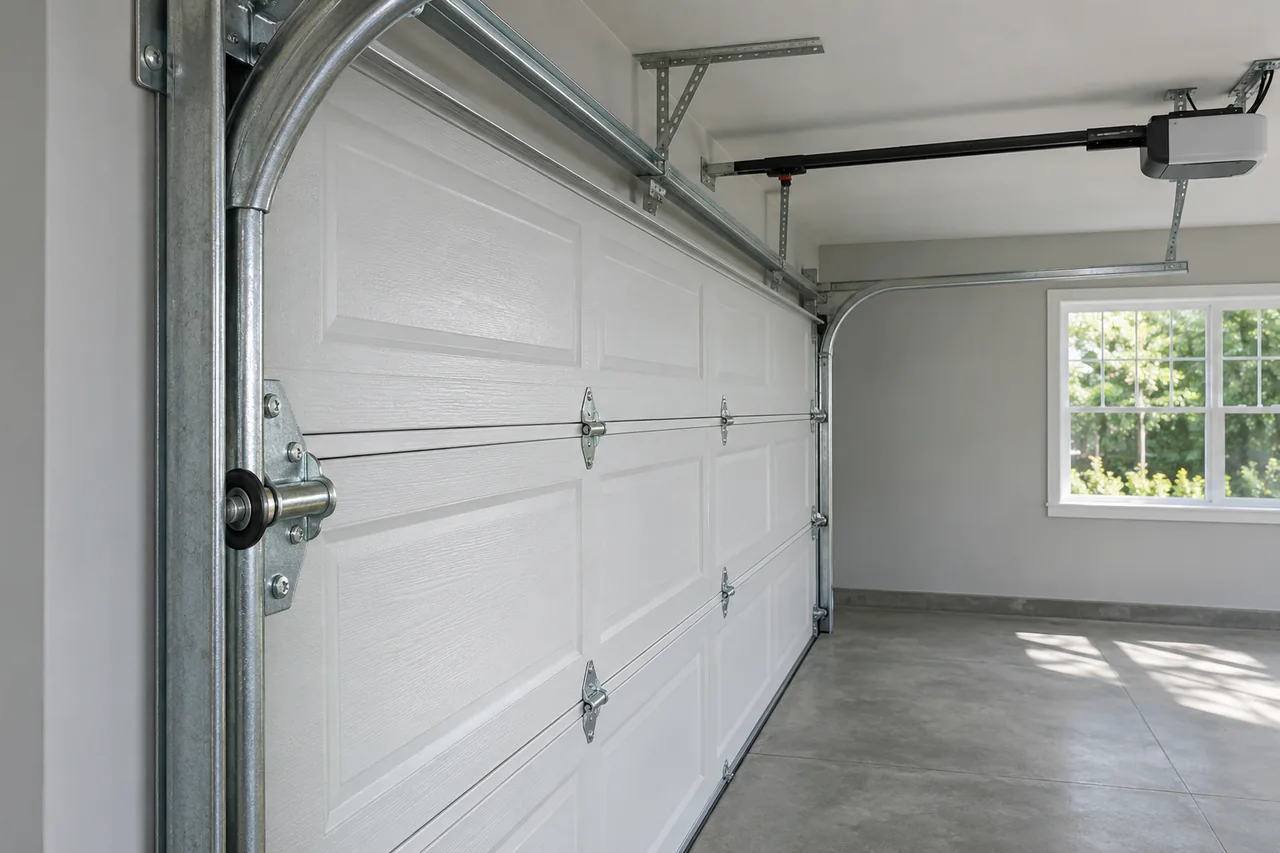
Door sections, tracks, rollers and lifting hardware work with the opener. A motor running does not establish that the door is sound. A remote fault differs from a door that is physically stuck or uneven.
Describe what happened, where the door stopped and any sound, impact or recent change. Avoid forcing a damaged door or repeatedly cycling it for a demonstration. A symptom is useful history rather than a confirmed part diagnosis.
Keep parts and additional work visible
Ask which parts, labor and operating checks the estimate includes. If another component may need assessment or a part is unavailable, have that made clear. An access change, new remote and physical repair can be separate items.
The proposed work may change after an inspection reveals the actual condition. Discuss the revised scope before it proceeds. An estimate based on a phone description should not be treated as a diagnosis of every part.
Know the limits of a home check
Keep people clear of an uneven or damaged door. Do not operate a door with a broken spring, loosen tensioned hardware or bypass safety devices. Springs, cables and bottom brackets need a trained door systems technician.
For the service overview, read garage door repair in Lakeside. After the agreed repair, ask how the relevant operation and safety functions were checked, and what remains outside the completed work.
Leave with a clear description of the work
A useful repair record identifies what was addressed and any issue left outside the agreed scope. Keep the description specific enough to distinguish door hardware from opener or control work. If a later visit is needed, ask what it is expected to cover.
After the repair, have the relevant operation and safety checks explained by the person doing the work. Do not loosen hardware or bypass a device to carry out your own comparison. The aim is understanding the finished result, rather than turning the estimate into a home repair procedure.
Keep the useful details
Start with what you know. The key, the door and any controls can each tell a different part of the story.